
Neil Cowley
CWS1 Deer Control and Management Grant: Eligibility, Funding and How to Apply
What is the CWS1 Deer Control and Management Grant?
The CWS1 Deer Control and Management Grant is a woodland-focused funding option available through Countryside Stewardship Higher Tier (CSHT). The scheme has been developed to help landowners, forestry managers, estates and conservation organisations reduce the damaging impacts of deer on priority habitats and woodland ecosystems.
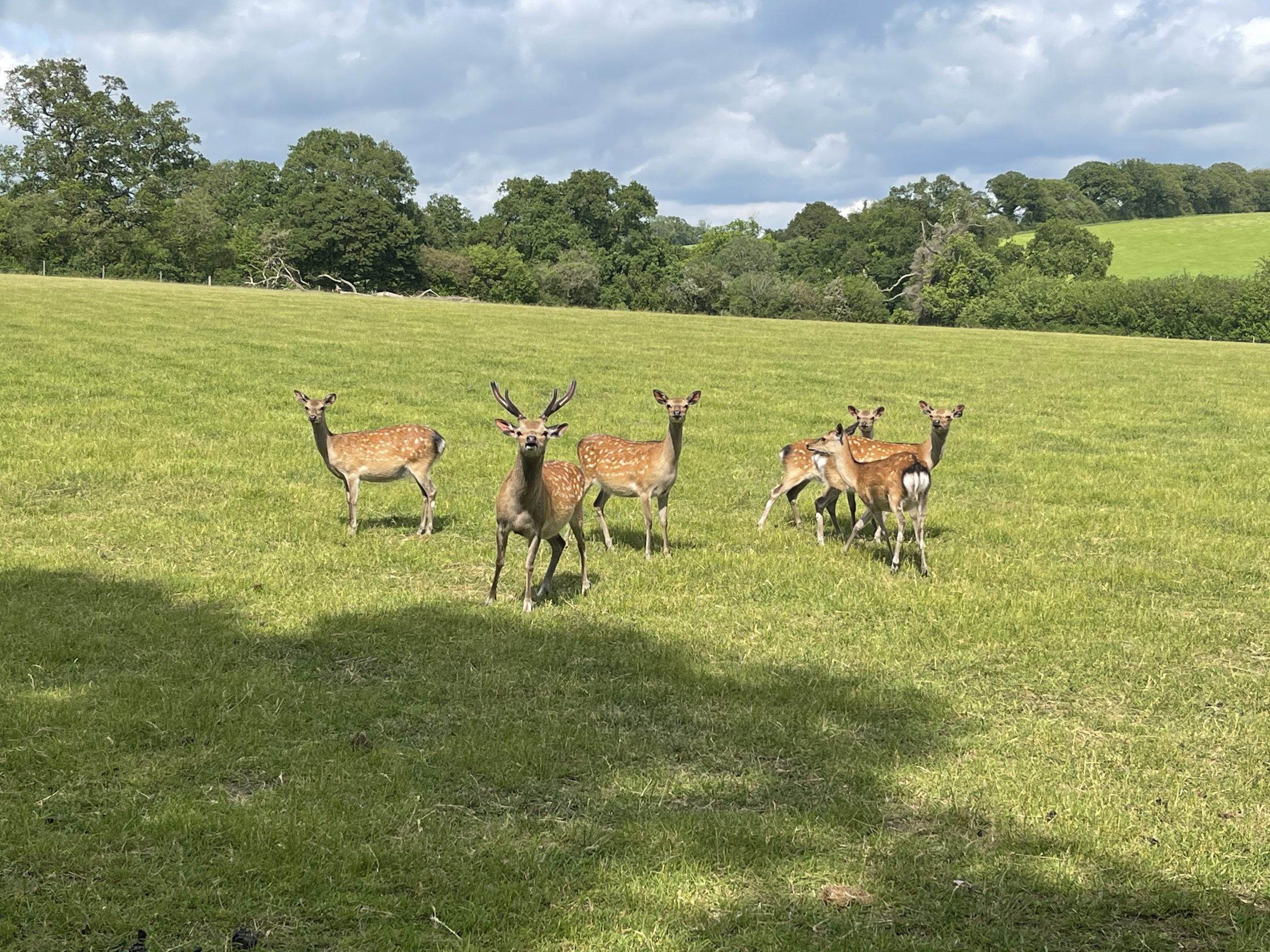
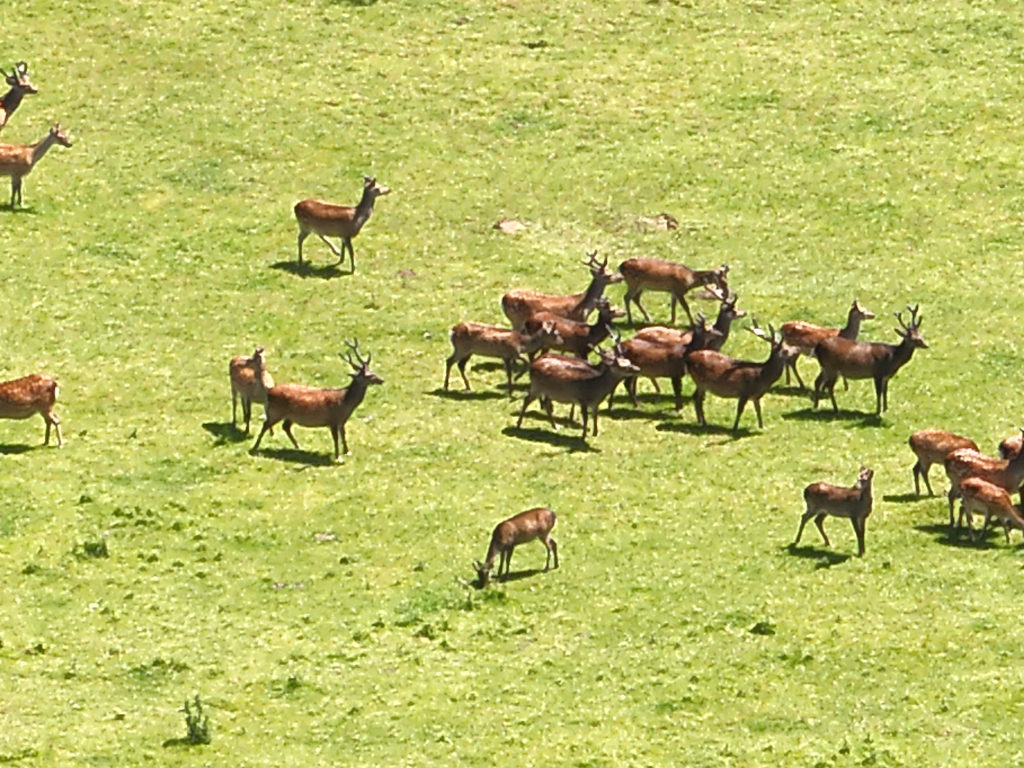
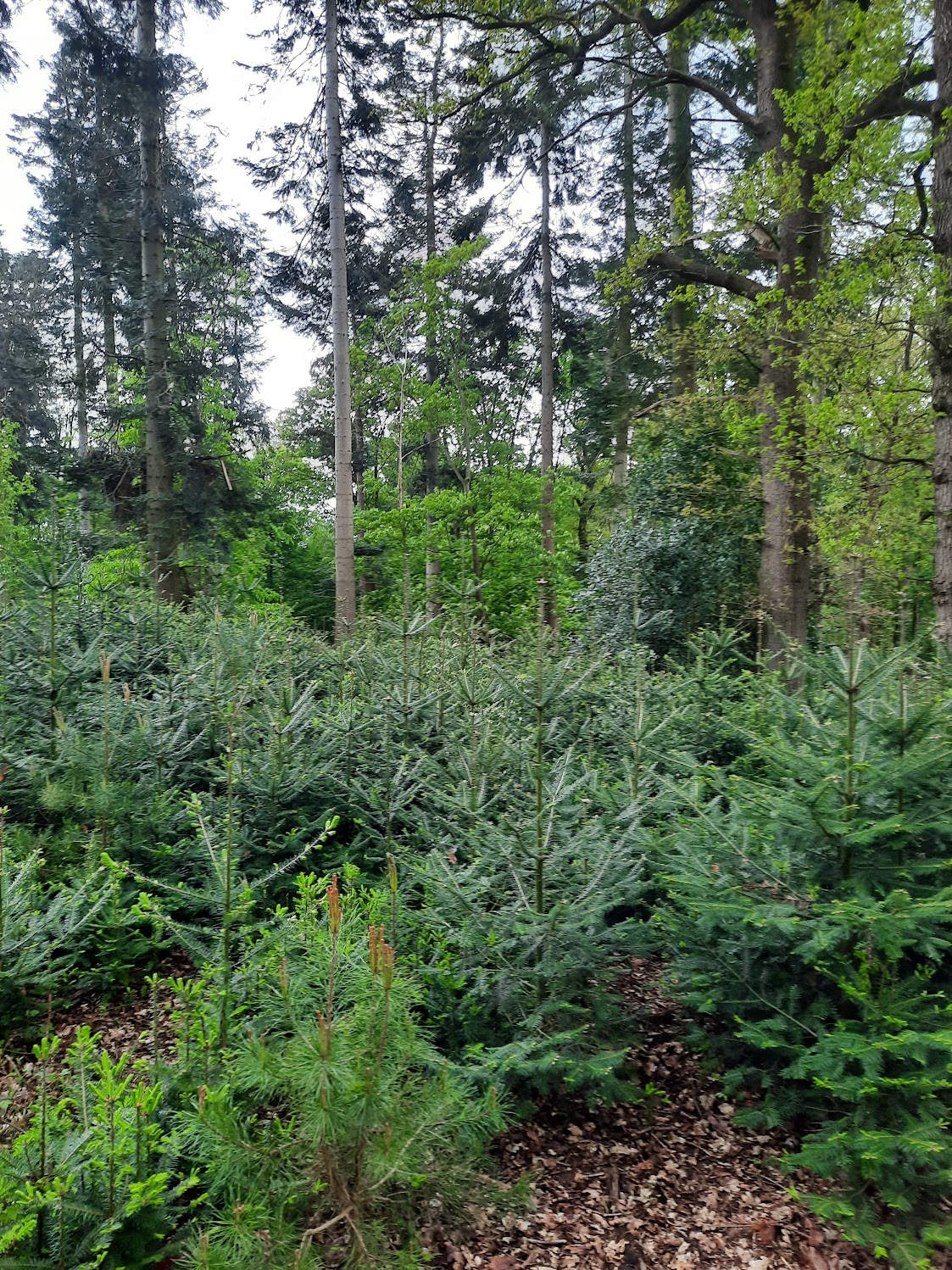
Deer populations have increased significantly across many parts of England over recent decades. While deer are an important part of our natural environment, unmanaged populations can cause serious damage through browsing, bark stripping and suppression of natural woodland regeneration. Excessive deer pressure can prevent young trees from establishing, reduce biodiversity and compromise long-term woodland resilience.
The CWS1 action provides financial support to implement a planned, evidence-based approach to deer management, helping woodland owners protect valuable habitats while delivering long-term environmental benefits.
How Much Funding is Available?
The CWS1 Deer Control and Management action currently pays £105 per hectare per year and operates under a 10-year agreement. The objective is not simply to fund deer culling, but to support a structured programme of monitoring, habitat assessment, deer management planning and ongoing woodland protection.
The funding is designed to support sustainable deer management that delivers measurable improvements to woodland condition, biodiversity and habitat recovery.
Who is Eligible for the CWS1 Grant?
The grant is generally available to woodland owners, landowners, estates, forestry businesses and land managers whose woodland is experiencing negative impacts from deer.
To qualify, applicants must be able to demonstrate that deer are adversely affecting woodland condition, woodland regeneration or priority habitats. Evidence typically includes:
- Deer Habitat Impact Assessments
- Woodland condition surveys
- Browsing damage assessments
- Deer population surveys
- Photographic evidence
- Woodland Management Plans
Applications are typically linked to woodland management objectives that align with UK Forestry Standard (UKFS) principles and Forestry Commission guidance.
Why Deer Habitat Impact Surveys Are So Important
One of the most important stages in preparing a successful CWS1 application is understanding the actual impact deer are having on your woodland.
A Deer Habitat Impact Survey provides objective evidence of browsing pressure and habitat damage. These surveys assess:
- Woodland regeneration
- Ground flora condition
- Browsing intensity
- Woodland structure
- Species diversity
- Habitat recovery potential
The results help determine whether deer are preventing woodland objectives from being achieved and provide the evidence needed to support funding applications and future management decisions.
Without robust baseline evidence, it can be difficult to demonstrate the need for long-term deer management interventions.
What is a Deer Management Plan?
A Deer Management Plan (DMP) forms the foundation of effective deer control under the CWS1 scheme.
A professional Deer Management Plan typically includes:
- Current deer population assessments
- Species present
- Woodland management objectives
- Habitat impact findings
- Population reduction targets
- Monitoring methodologies
- Reporting procedures
- Long-term management strategies
The purpose of the plan is to ensure that deer management is targeted, proportionate and capable of delivering measurable environmental improvements over the life of the agreement.
How to Apply for the CWS1 Grant
The application process can appear complex, particularly for woodland owners unfamiliar with Countryside Stewardship Higher Tier requirements.
A typical application process includes:
1. Assess Woodland Eligibility
Review woodland condition and identify whether deer are having a significant impact on regeneration, biodiversity or habitat quality.
2. Complete a Deer Habitat Impact Survey
Undertake a structured assessment to gather evidence of deer damage and establish a baseline for future monitoring.
3. Develop a Woodland Management Strategy
Ensure woodland objectives align with UK Forestry Standard requirements and Forestry Commission guidance.
4. Prepare a Deer Management Plan
Produce a detailed management plan outlining how deer impacts will be reduced throughout the agreement period.
5. Submit a Higher Tier Application
Applications are made through the Countryside Stewardship Higher Tier process, which currently operates through a phased invitation and pre-application approach.
6. Implement and Monitor
Once approved, ongoing monitoring, habitat assessments and deer management activities are undertaken throughout the agreement period to demonstrate progress and compliance.
https://www.gov.uk/find-funding-for-land-or-farms/cws1-deer-control-and-management
How GWD Wildlife Services Can Help
At GWD Wildlife Services, we specialise in supporting woodland owners, estates, forestry managers and conservation organisations with every stage of the CWS1 process.
Our services include:
- Deer Habitat Impact Surveys
- Deer Population Surveys
- Thermal Drone Deer Surveys
- Deer Management Plans
- Woodland Condition Assessments
- Deer Density Assessments
- Grant Application Support
- Long-Term Monitoring Programmes
Using a combination of field-based surveying techniques and advanced thermal drone technology, we provide accurate, evidence-led data that helps landowners understand deer impacts and secure funding support where appropriate.
Our experienced team works closely with clients to develop practical, compliant and sustainable deer management strategies that protect woodland habitats while meeting Forestry Commission and Countryside Stewardship objectives.
Speak to GWD Wildlife Services
If you are considering applying for CWS1 Deer Control and Management funding, or would like to understand whether your woodland may be eligible, GWD Wildlife Services can help.
Our experienced surveyors and deer management specialists provide professional support throughout the entire process, from initial habitat assessments through to long-term monitoring and reporting.
Contact GWD Wildlife Services today to discuss your woodland, deer management requirements and grant funding opportunities.