
gwdwildlifeservices.co.uk
You can spend thousands on planting, guards, and fencing, and still walk the site in spring to find every leading shoot neatly nipped off at chest height. If that sounds familiar, you’re already seeing How Deer Damage Woodland Regeneration, even when the rest of the woodland looks “fine” from a distance. At GWD Wildlife Services we see the same pattern across UK estates and farm woodlands: repeated browsing slows growth, changes species mix, and quietly breaks grant and biodiversity outcomes. This guide shows you what to look for on the ground and what a practical, welfare-led response looks like in 2026.
Key Takeaways
- How deer damage woodland regeneration is mostly through repeated browsing of young shoots, which slows growth and alters species composition.
- Look for signs like missing young trees under mature canopies and browse lines at 1–2 metres height to assess deer pressure accurately.
- Sustained deer browsing reduces survival rates of new plants, delays canopy replacement, and favours less palatable species over native broadleaves.
- High deer populations persist due to landscape factors, causing natural recovery to stall unless management is coordinated across wider areas.
- Effective deer management combines clear regeneration goals, monitoring of browsing impact, and appropriate interventions balancing protection and population control.
- Integrate deer management with other woodland protection efforts to improve biodiversity, meet grant conditions, and reduce long-term economic costs.
Real-World Signs Of Deer Pressure In UK Woodlands
Deer pressure rarely announces itself with one dramatic event: it shows up as a slow failure of your woodland’s “next generation”. If you only inspect from rides or gateways, you can miss the detail that explains why restocking and natural regeneration are stalling.
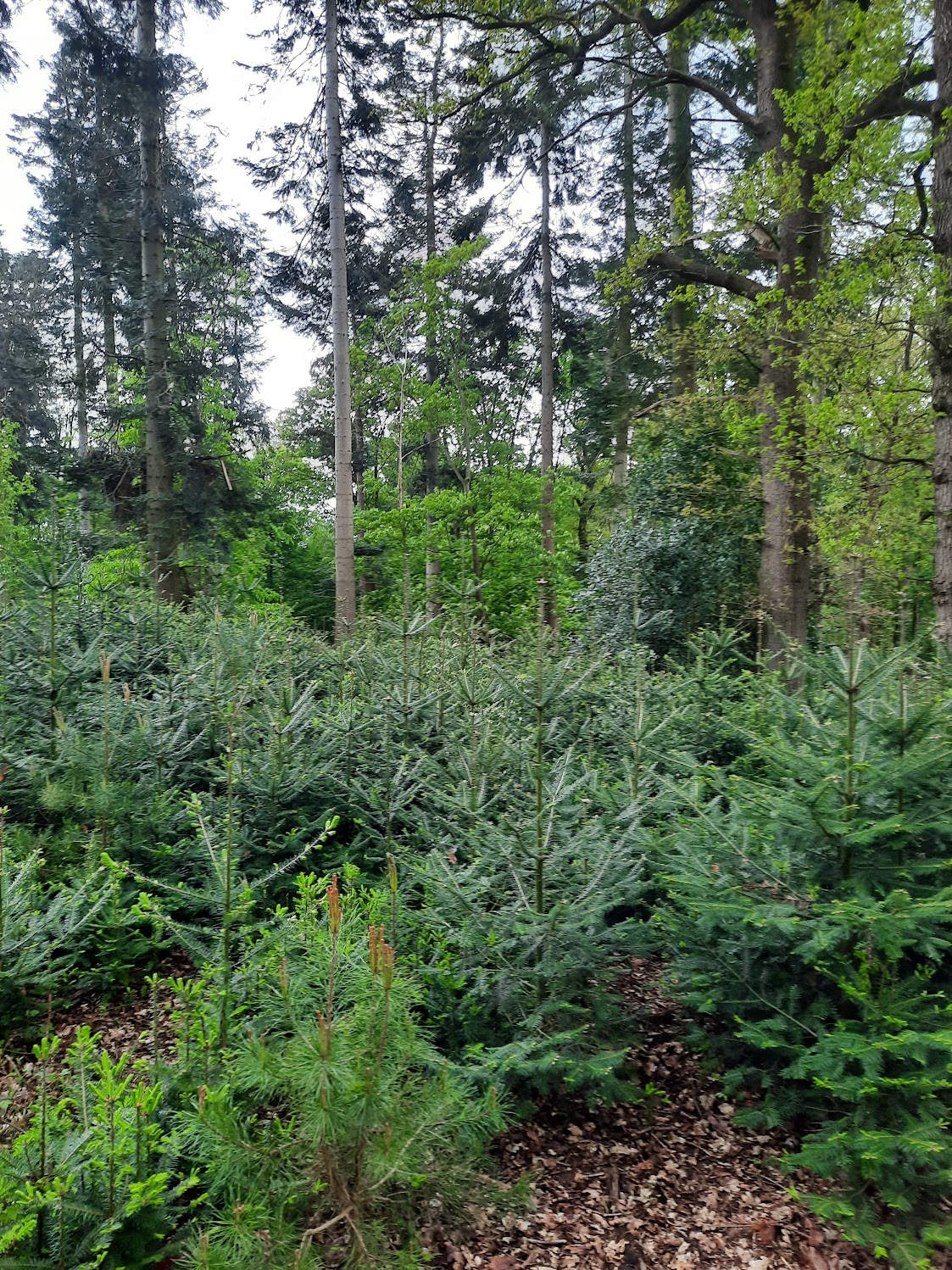
A reliable first check is the absence of young trees beneath mature canopy. In a healthy regenerating wood you should find a spread of ages, seedlings, saplings, pole stage, rather than a clean “gap” between ground flora and mature stems. Walk 50–100 metres into the stand and look for a browse line: a visible height where leaves and twigs stop, often around1–2 metres, depending on species and local deer behaviour.
Look closely at individual plants. Deer browsing often removes the leading shoot, leaving you with a short, tufted, multi-stemmed sapling that never escapes browsing height. On broadleaves, you’ll see ragged ends where shoots have been pulled: on conifers, you may see repeated nipping of soft new growth. Around new planting, damage often concentrates on edges, gateways, and along habitual routes, watch for slot prints, droppings, and narrow “tunnels” through bramble or bracken.
If you want a structured way to record what you’re seeing (and turn it into decisions), it helps to base your approach on a documented objective and review cycle. A site-specific deer management plan is how we typically formalise that work with clients, linking field signs to actions, timescales, and responsibilities.
How Deer Browsing Derails Woodland Regeneration
One season of browsing can be irritating: several seasons in a row can reset your woodland trajectory. The core problem is simple: deer repeatedly remove the exact growth the tree needs to get established, fresh leaves and the terminal bud, so the plant spends its energy replacing tissue instead of gaining height and root mass.
That creates three practical knock-ons you can measure:
- Lower survival rates in restock and creation sites: lightly damaged whips can linger, but repeated browsing through spring and autumn often finishes them off, especially in dry years.
- Delayed canopy replacement: saplings don’t recruit into the next age class, so you end up with an ageing overstorey and no “middle layer” coming through.
- Species skew: deer select what tastes best. Over time, palatable broadleaves (often oak, rowan, hazel, holly, and natural regen of mixed natives) get suppressed while less palatable plants expand.
In practice, this is why some woods start to look oddly uniform at ground level: you see bracken, grass, or bramble dominance with very little shrub layer. If you’re trying to meet woodland creation objectives or keep a mixed stand resilient, that shift matters because it’s hard to reverse once seed sources and understorey structure have been lost.
What Happens To Seedlings, Shrubs, And The Next Canopy Layer
The most costly damage is the stuff you don’t get back quickly. When deer keep seedlings “pinned” below browsing height, you can end up with a carpet of suppressed plants that never transitions into saplings. A simple test is to count naturally regenerated stems in sample squares (for example, 10 plots of 2m x 2m across the site) and record how many have intact leaders versus browsed tips.
Shrubs and coppice regrowth take a similar hit. If hazel stools or birch regen get browsed every time they flush, you lose the low and mid-storey that supports nesting birds and invertebrates. You’ll often notice it first in the feel of the woodland: fewer dense patches, fewer flowers, and less cover along rides.
The next canopy layer fails quietly. Ten years later, that shows up as a hollow age structure, big trees above, little coming on beneath, and you’re forced into heavier interventions (more planting, more protection, more cost) rather than letting the wood do its own work.
The Wider Knock-On Impacts: Biodiversity Loss And Economic Damage
If deer pressure stays high, you don’t just lose trees, you lose options. Many land managers first notice the financial side (replanting, replacing guards, failed compartments), but the ecological side often explains why the same problems keep returning.
Start with biodiversity. When browsing removes shrubs and young trees, you reduce flowering and fruiting structure at the exact heights many species need. That can mean fewer bramble flowers for pollinators in summer, fewer berries in autumn, and fewer sheltered nest sites along woodland edges. Over a few seasons, you’re left with a simplified habitat: fewer layers, fewer niches, fewer winners.
Then there’s the economic damage, which tends to arrive in everyday line items rather than one big invoice. Common costs include:
- Restocking and beating-up: repeated replacement of browsed whips.
- Protection spend: guards, stakes, and fence repairs after impacts, falls, or deer pushing through.
- Timber quality loss: browsing and bark damage can lead to poor form, multi-leaders, or infection points that downgrade future value.
If you’re operating under grant conditions, failed establishment can also create compliance risk. Where deer management links into funded woodland improvement work, you may be able to align actions with scheme requirements. Where appropriate, we often point clients to options such as the CWS1 deer control and management grant and help them evidence browsing impact and outcomes on the ground.
Why High Deer Numbers Persist (And Why Natural Recovery Stalls)
It’s frustrating when you reduce pressure in one block, only to see browsing return the following month. The reason is rarely “bad luck”: it’s usually that deer dynamics work at a bigger scale than a single field or woodland compartment.
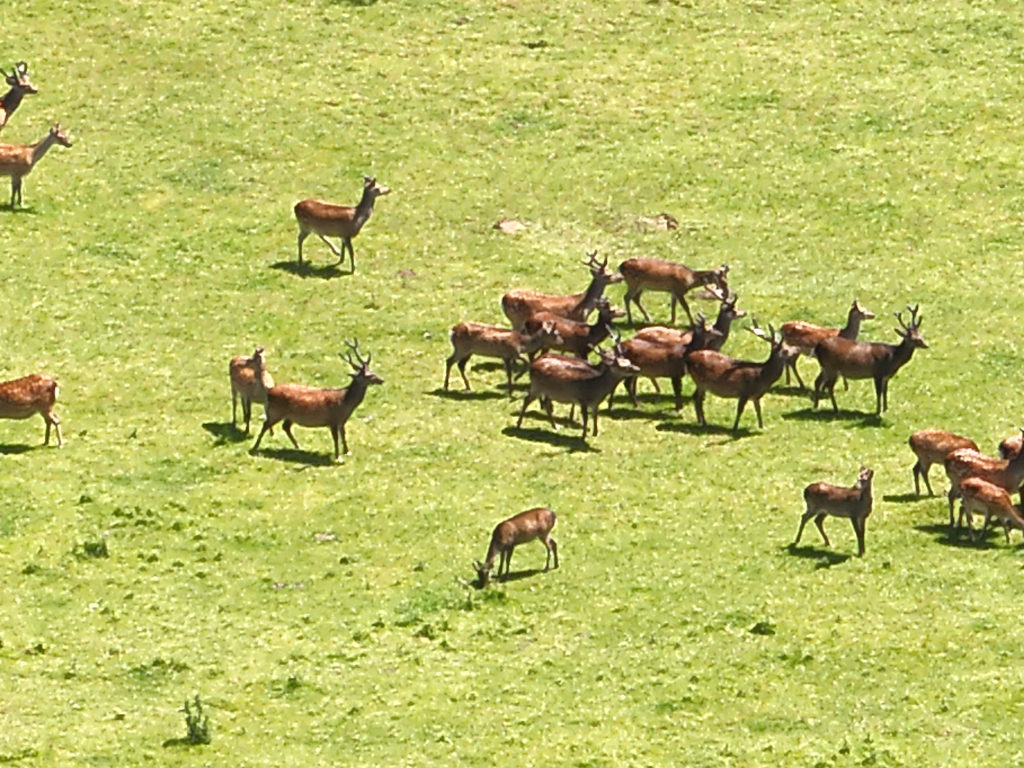
High deer numbers persist because many UK landscapes have limited predation, plenty of edge habitat, and mild winters that support higher survival. Add in fragmented ownership and mixed objectives (woodland creation next to unmanaged cover, or crop fields adjacent to dense thickets), and deer can move freely between safe daytime areas and productive feeding zones.
Natural recovery stalls for a practical reason: deer remove the plants at the stage when they’re most vulnerable. Even if adult deer numbers drop, vegetation may need multiple growing seasons to rebuild leaf area and regain height. And if seed sources have been browsed out, say, no hazel left to coppice, no holly coming through, the woodland can’t “self-heal” without help.
This is why isolated action often disappoints. If your neighbour’s cover holds deer and your site provides food, you can end up doing the work while the population rebalances back onto you. In 2026, the most reliable outcomes come from coordinated planning and monitoring, not one-off effort.
Responsible Deer Management: Strategy, Welfare, And Monitoring That Works
When browsing damage becomes the norm, the temptation is to throw more guards at the problem and hope. That can waste money fast. A responsible deer management approach starts with a clear objective (what you’re trying to establish), then matches tools to the level of pressure, while keeping welfare and safety central.
A practical framework we use with land managers looks like this:
- Define what “success” means on your site: for example, a minimum density of established saplings per hectare, or specific species recruiting into the understorey.
- Measure deer impact, not just deer presence: record browsing rates on indicator species, map hotspots (edges, rides, new planting), and photograph repeat points each season.
- Choose interventions that match intensity:
- Where pressure is localised, targeted protection (short fence runs, temporary exclosures) can work well.
- Where pressure is widespread, you usually need population management alongside protection, or you end up protecting forever.
- Act legally and humanely: competence, correct seasons, safe backstops, and clear boundaries are non-negotiable.
- Monitor and adapt: review results at least annually, and change effort where the data shows you’re not shifting impact.
Monitoring is where many plans fail, simply because it’s time-consuming. If you want accurate numbers across bigger sites or awkward terrain, modern survey methods can tighten up decision-making. For example, thermal drone deer surveys can help you estimate distribution and activity patterns so effort is targeted rather than guesswork.
Finally, don’t treat deer management as separate from wider woodland protection. In many woods, deer pressure and squirrel damage overlap in the same vulnerable age classes. If you’re trying to protect establishment and future timber quality at the same time, it’s worth considering an integrated approach like the one set out in protecting young woodlands with deer and grey squirrel control, so your spend supports the outcome you actually want.
Conclusion
How deer damage woodland regeneration is rarely a mystery once you measure it: repeated browsing prevents young trees and shrubs from recruiting into the next age class, changing the structure and future resilience of the wood. If you want regeneration that survives beyond the first few seasons, you need evidence-led monitoring, the right mix of protection and population management, and a plan you can repeat and refine in 2026. Start by measuring impact on the ground, then manage to a clear target, not a hunch.
Frequently Asked Questions about Deer Damage and Woodland Regeneration
How does deer browsing impact woodland regeneration in the UK?
Deer browsing removes young shoots and leaves, preventing seedlings and saplings from growing above browsing height. This slows regeneration, reduces species diversity, and leads to an ageing woodland canopy with little natural replacement growth.
What are the common signs of deer damage in woodlands?
Common signs include the absence of young trees beneath mature canopy, visible browse lines about 1–2 metres high, multiple stems on browsed saplings, stripped bark, damaged tree guards, deer droppings, footprints, and narrow paths through vegetation.
Why is natural woodland recovery often slow despite reduced deer numbers?
Even when deer populations decline, natural recovery is slow because seed sources and understorey plants may have been lost. Repeated browsing before trees mature suppresses growth, requiring multiple growing seasons to restore leaf area and seedling height.
Can deer damage affect the economic value of woodlands?
Yes. Deer browsing can reduce timber quality by causing poor tree form, multi-leaders, and bark damage. Additionally, repeated restocking, fence repairs, and crop losses due to deer increase costs, potentially resulting in financial losses for landowners and managers.
What strategies are effective for managing deer to protect woodland regeneration?
Effective deer management involves evidence-led monitoring of browsing impact, setting clear regeneration targets, combining population control with targeted protection like fencing, and reviewing results annually. It must be conducted humanely, legally, and at landscape scale.
Do deer cause damage to agricultural crops as well as woodlands?
Yes, deer browse, graze, and trample on crops such as cereals, maize, grassland, and horticultural plants, leading to economic losses for farmers. Their feeding habits and movement routes can cause localized damage beyond woodlands.